
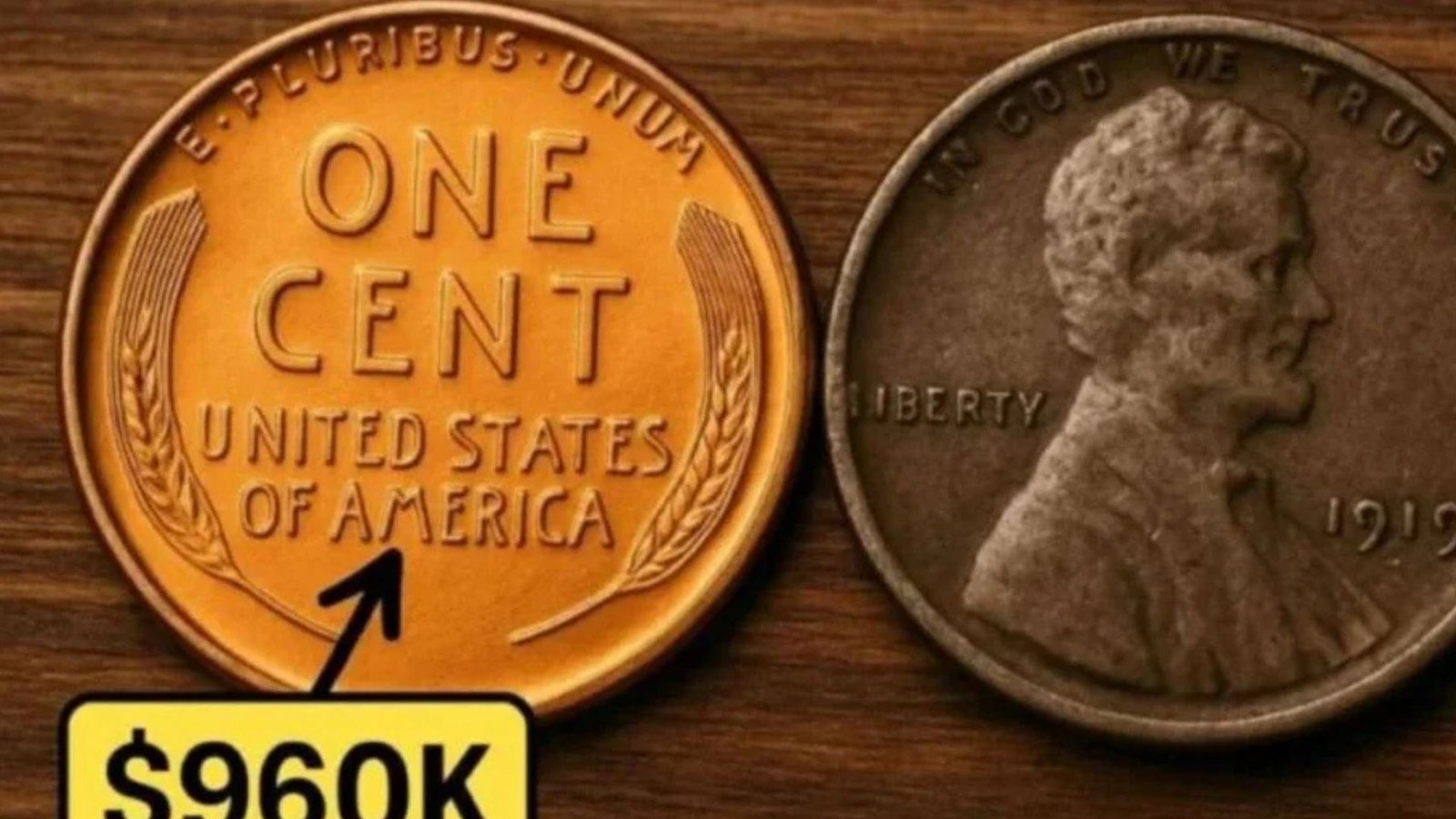
Ever wondered if that dull penny rattling around in your glove compartment could fund a dream vacation? In the history-loving hum of November 2025, the answer’s a resounding “maybe”—especially for the Lincoln Wheat Penny, a one-cent classic from 1909 to 1958 that’s mostly sentimental but hides wartime wonders worth up to $960,000. Born to celebrate Abraham Lincoln’s 100th birthday, these reddish-brown coins swapped out old designs for a presidential portrait, becoming everyday icons through tough times. But one flub from World War II—a copper penny stamped with a 1943 date—stands out as the ultimate “oops” treasure, with only about 20 known survivors still slipping through circulation.
A Tribute in Tiny Tin: The Origins of the Lincoln Wheat Penny
The year was 1909, and America was ready to honor its 16th president with a fresh face on its smallest coin. Replacing the quirky Indian Head penny, the Lincoln Wheat design brought real-person realism to pocket change for the first time, blending Lincoln’s honest image with symbols of growth and grit. Sculptor Victor David Brenner nailed the vibe, making it a hit that jingled through over 100 billion pieces until the switch to a Lincoln Memorial back in 1958.
Designs That Echo an Era

The front (or heads side) shows a calm, right-facing portrait of Lincoln, his beard sharp and eyes thoughtful, as if pondering unity amid division. “IN GOD WE TRUST” arches above, “LIBERTY” sits to the right, and the year anchors the bottom—simple strokes that feel like a handshake from history. Flip to the back (or tails side), and two tall wheat stalks frame “ONE CENT,” whispering of fertile fields and fresh starts, a nod to Lincoln’s Illinois farm boy days. Mostly 95% copper with a zinc core for strength, these pennies weighed a solid 3.11 grams, tough enough for piggy banks and tough times alike.
From Billions to Hidden Gems
Minted in Philadelphia (no tiny letter mark below the date), Denver (“D”), and San Francisco (“S”), they became wartime staples and Depression darlings. Folks hoarded them during shortages, so clean examples still surface in estate boxes or bank tubes today. In 2025, with economic ripples and Lincoln lore lighting up podcasts, these coins aren’t just change—they’re chat starters, affordable entry points to collecting that mix nostalgia with “what if” wins.
Wartime Twist: The 1943 Copper Penny’s Factory Fumble
Enter 1943: World War II had factories firing on all cylinders, and copper—the penny’s prized metal—was diverted to bullets, shells, and wiring for the fight. The Mint’s fix? Swap to zinc-coated steel blanks: pale, lightweight (2.7 grams), and magnetic, churning out over a billion to keep commerce clicking without costing the war effort.
The Slip That Sparked a Sensation

In the rush at the Philadelphia Mint, a hopper hiccup let 1942 copper leftovers mingle with the steel batch. Machines stamped them “1943” anyway, birthing 20 to 40 rogue reddish pennies before the mix-up was caught. Most headed for the melt pot, but a lucky few escaped into pockets and jars—now dwindled to around 20 known worldwide. This “copper in a steel year” blunder ties Lincoln’s preservation fight to WWII’s all-hands-on-deck, turning a tiny error into a timeless tale. One pristine Philadelphia version, graded MS-67 (near-mint fresh), fetched $960,000 at a 2021 auction, its vibrant red tone and sharp details drawing deep-pocket bids.
Rarity and Riches: Why This Penny Packs a $960,000 Punch
Common Wheat Pennies? They’re worth a cent or two—fun facts for family tables. But the 1943 copper? It’s unicorn status: Ultra-low supply meets sky-high story appeal, with values climbing on condition (Sheldon Scale 1-70) and provenance (that “found in grandpa’s jar” charm).
Factors That Fuel the Fire
- Scarcity Shock: Fewer than 20 survivors, scattered across mints—Philly’s no-mark leads the pack.
- Error Excitement: Wrong-metal magic in a steel era, blending Lincoln legacy with war whimsy.
- Grade Glory: MS-67 means factory-fresh flair—no dings, haze, or haze from handling.
- Market Momentum: Copper’s 2025 uptick and collector crave (up 13% per Heritage data) keep premiums pulsing.
In today’s treasure tide, even circulated ones start at $80,000, hedging inflation while honoring history. It’s not just cash—it’s a conversation piece that sparks “remember when” chats.
Beyond the Bronze Bombshell: Other Wheat Penny Winners to Watch

The 1943 steals headlines, but the series shines with sidekicks. Low runs and stamp slips created a crew of scarcities that make hunting worthwhile.
Spotlight on Standouts
- 1909-S VDB: The launch-year legend with Brenner’s “VDB” initials at the base—only 484,000 made, igniting a quick redesign row.
- 1914-D: Denver’s measly 1.19 million during WWI metal woes, a quiet king of scarcity.
- 1955 Doubled Die: A hubbing goof doubled the date and lettering, easy to spot and spot-on for starters.
- 1922 Plain: Die wear erased the “D” on about 500,000, turning “no mark” into “must-have.”
These aren’t overnight fortunes, but they offer entry-level excitement, with auctions buzzing 10-15% higher in 2025’s nostalgic niche.
Your Penny Prospector’s Playbook: Easy Ways to Unearth a Treasure
No gold pan needed—just smarts and basics. In 2025, apps like PCGS CoinFacts turn phone snaps into value vibes, making pro peeks a pocket away.
- Date Dive: Under Lincoln—1943? Red flag (literally).
- Magnet Maneuver: Copper repels; steel clings to your fridge.
- Tone Test: Warm reddish-brown? Copper clue. Silvery gray? Steel standard.
- Weight Whiz: Food scale says 3.11 grams for copper; 2.7 for imposters.
- Detail Detective: Magnifier for doubled haze or missing marks—wheat crisp? Condition king.
- Pro Pivot: Bag standouts for NGC/PCGS grading ($15-30)—their stamp seals the sale.
Hunt hotspots: Raid attics, snag bank tubes ($0.50 for 50 pennies), or scour flea markets. Golden rule: No scrubbing—patina (that natural crust) proves authenticity and amps allure.
Watch for the Wild Cards
Fakes feel flimsy or flop the magnet. Worn warriors? Wallet them as wins. And hype? Verify before victory dances.
2025 Value Lowdown: From One-Cent Charm to Cash Cow
Copper’s steady climb keeps floors firm, but auctions tell tales—Heritage notes 13% yearly lifts. Here’s a fresh peek from November 2025 sales (PCGS trends).
| Penny Power Play | Key Giveaway | Worn Worth (Circulated) | Pristine Payday (MS-65+) | Hunt Hack |
|---|---|---|---|---|
| 1943 Copper | Red hue, no magnet stick | $80,000 starters | $200K–$960K+ gems | WWII-era jars jackpot |
| 1909-S VDB | “VDB” initials below wheat | $700–$1,800 | $50K–$150K crisp | Debut drama darling |
| 1914-D | Tiny “D” under date | $150–$800 | $10K–$159K sharp | Low-run legend |
| 1955 Doubled Die | Blurry date and words | $900–$3,000 | $5K–$124K bold | Easy echo spotter |
| 1922 Plain | No “D” ghost mark | $500–$2,000 | $5K–$18K clean | Die-wipe whisper |
*Insight: Graded slabs (pro-sealed) boost bids 2-3x—raw risks low offers.
Coin Chat Cracker: Simple Swaps for Tricky Terms
Numismatic nonsense? This table turns tongue-twisters into tidy tips.
| Brain-Twister | Backyard Breakdown |
|---|---|
| Obverse | Heads up—Lincoln’s profile perch. |
| Reverse | Tails turf—the wheat welcome mat. |
| Mintage | Total batch baked—low equals hot. |
| MS-67 (Mint State) | Factory-fresh score: 67/70 means barely bumped. |
| Patina | Age’s cozy coat—brown glow from years well-spent. |
| Doubled Die | Stamp stutter: Ghostly doubles on date or words. |
| Planchet | Pre-pounded puck—the coin’s blank canvas. |
The 2025 Penny Pulse: Why Wheat Coins Are Wallet Warmers
These aren’t dusty digs—they’re dynamic, tying Lincoln’s liberty push to modern money smarts. With WWII flicks filling feeds and economic edges honing hunts, Wheat Pennies blend low-risk raids with high-reward “aha” moments. Forums like r/coins overflow with “jar jackpots,” proving history recirculates—and rewards the relentless.
Conclusion: Flip the Script on Your Spare Cents
From a 1909 birthday bow to a 1943 wartime wink, the Lincoln Wheat Penny packs proof that fortunes favor the forgotten—your change dish might cradle a $960,000 copper curveball. In November 2025’s treasure tease, most cents stay small, but the real riches? Unearthed yarns, honed hunches, and that electric “eureka” when error meets eye. So, magnet at the ready, drawer dumped, dive into the delight—who knows what wheat whisper waits? For fresh finds, search “1943 copper penny November 2025” or join local loops. Hunt with heart, history in hand, and may every penny proclaim the power of persistence. Your copper coup could be one clink away!